
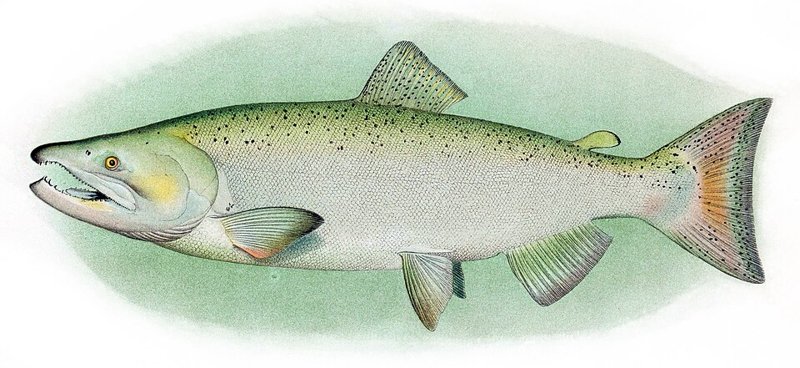
Chinook salmon
55–100 cm, 3–15 kg
Release: Anything under the Area's minimum
Know what you caught before you keep it. Rules change by area — open a species for the rules where you fish.
55–100 cm, 3–15 kg
Release: Anything under the Area's minimum
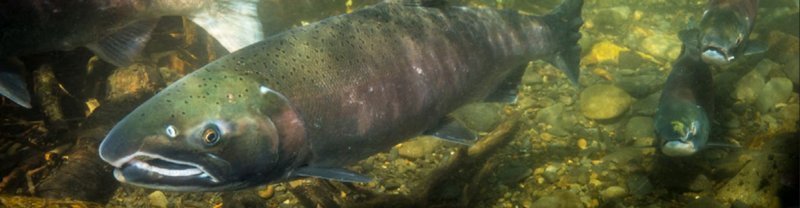
45–75 cm, 2–6 kg
Release: Any coho WITH an intact adipose fin where hatchery-only rules apply
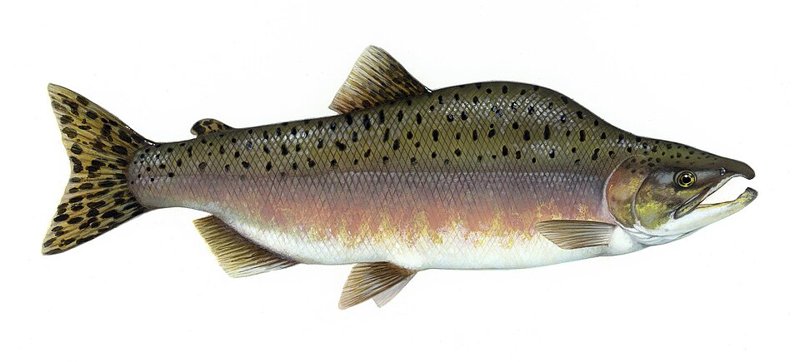
40–60 cm, 1.5–3 kg
Release: Under 30 cm
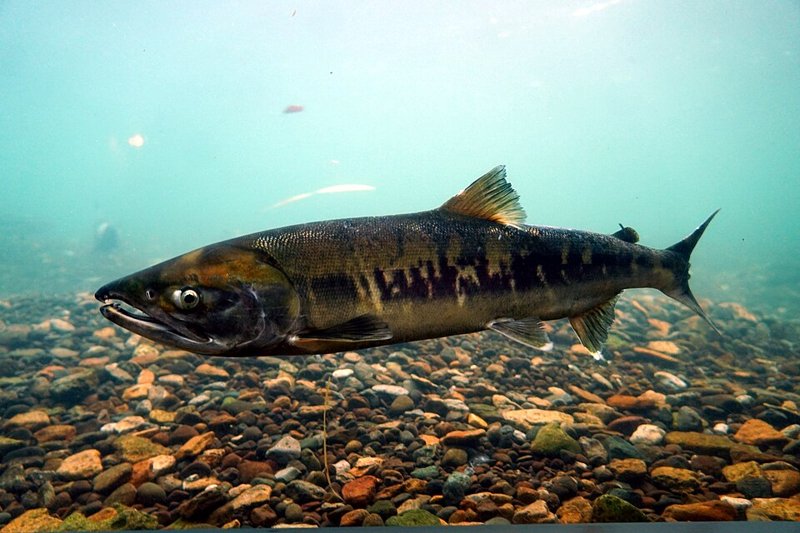
55–80 cm, 3–8 kg
Release: Under 30 cm
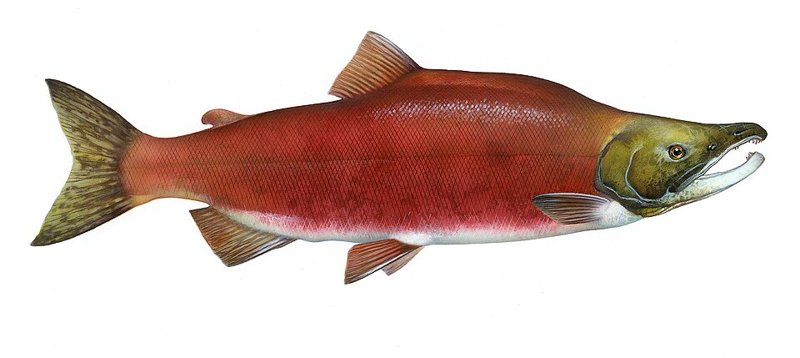
45–65 cm, 2–4 kg
Release: Everywhere non-retention
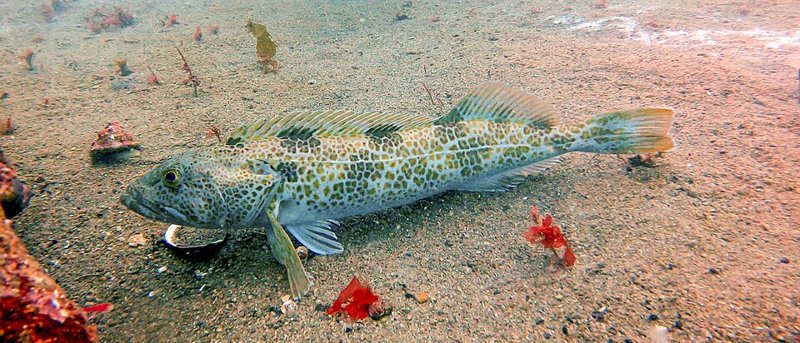
55–110 cm, 2–15 kg
Release: Under 65 cm
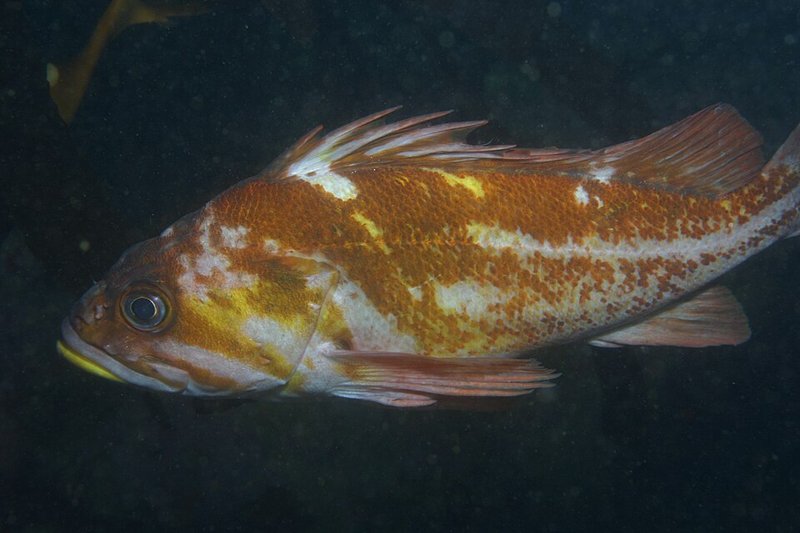
25–50 cm, 0.5–2.5 kg
Release: Yelloweye, always
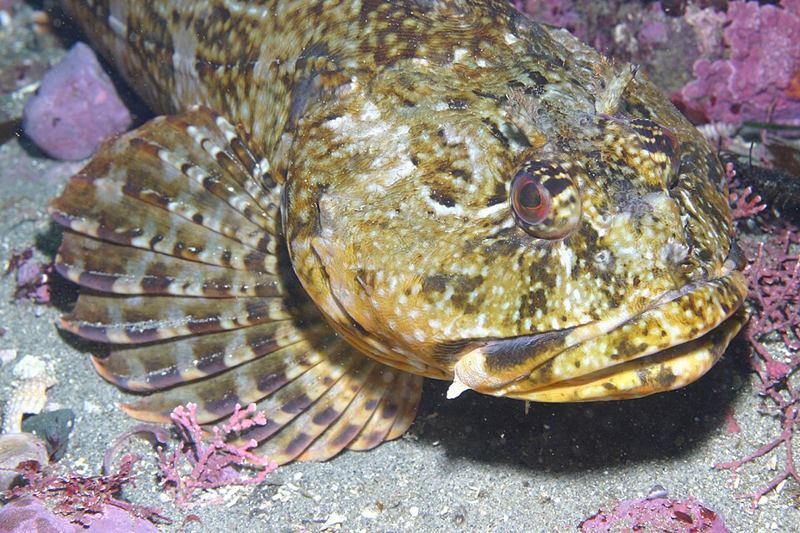
35–70 cm, 1–6 kg
Release: Small fish under 35 cm are worth releasing; there is no legal minimum
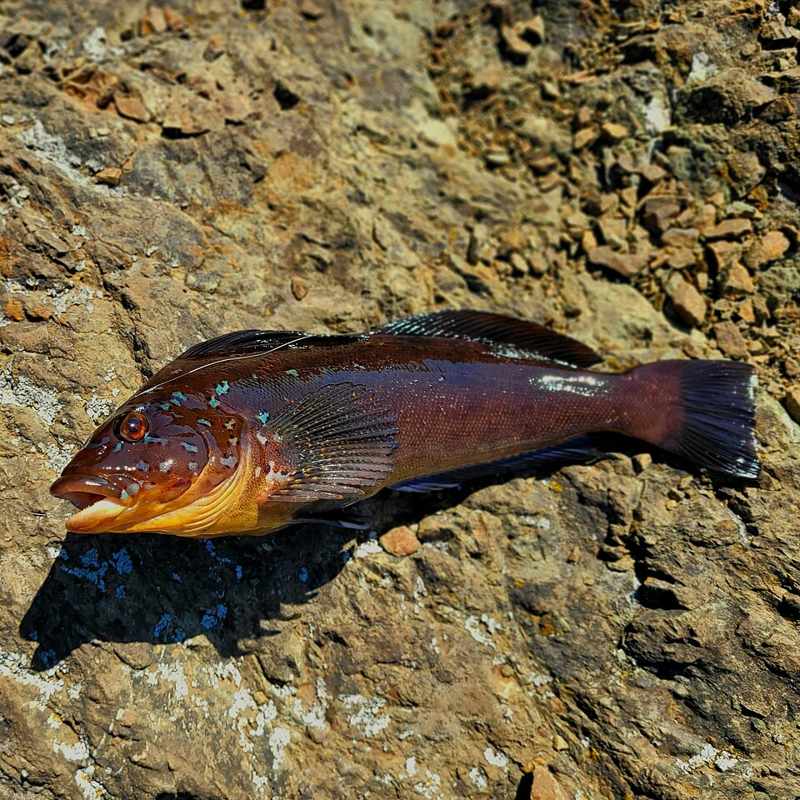
25–45 cm, 0.4–1.5 kg
Release: Keep only what you'll eat; small fish under 25 cm are better released
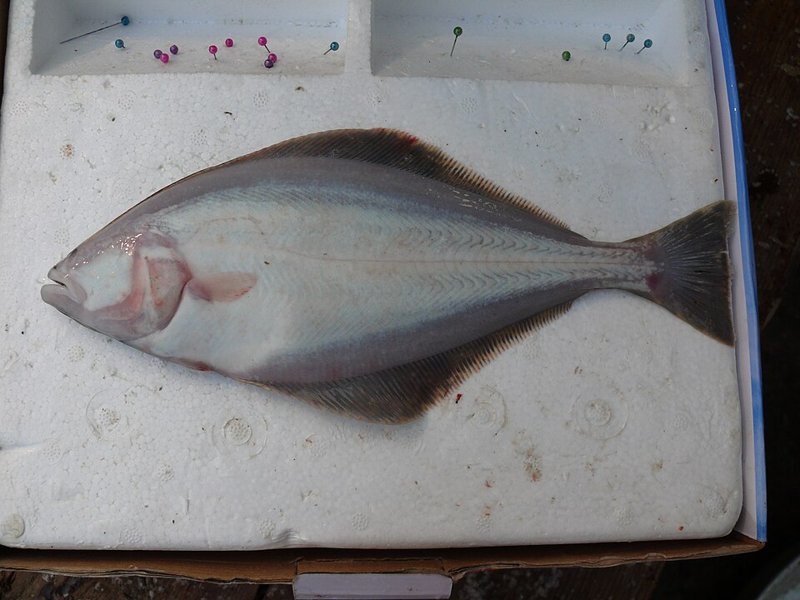
70–130 cm, 5–30 kg
Release: Anything over 112 cm head-on, always (the big females are the breeders)
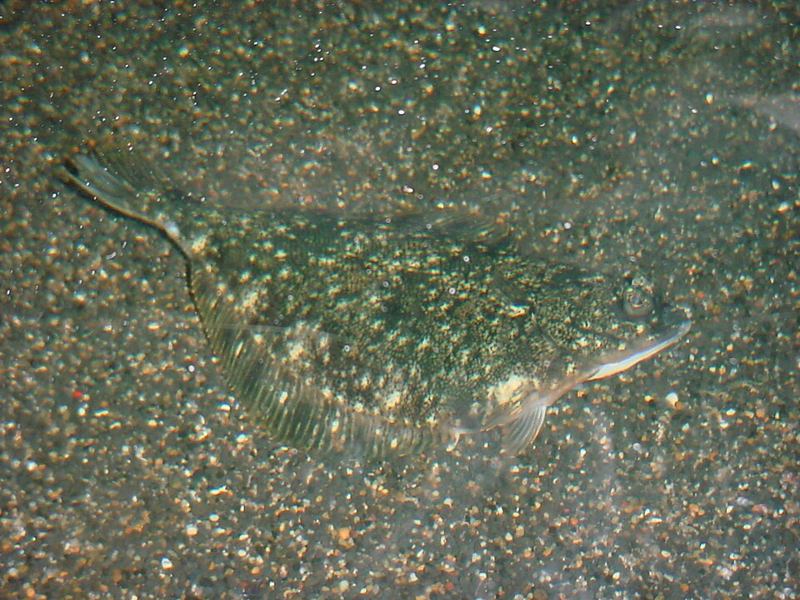
25–45 cm, 0.3–1.5 kg
Release: Fish under 25 cm have little meat
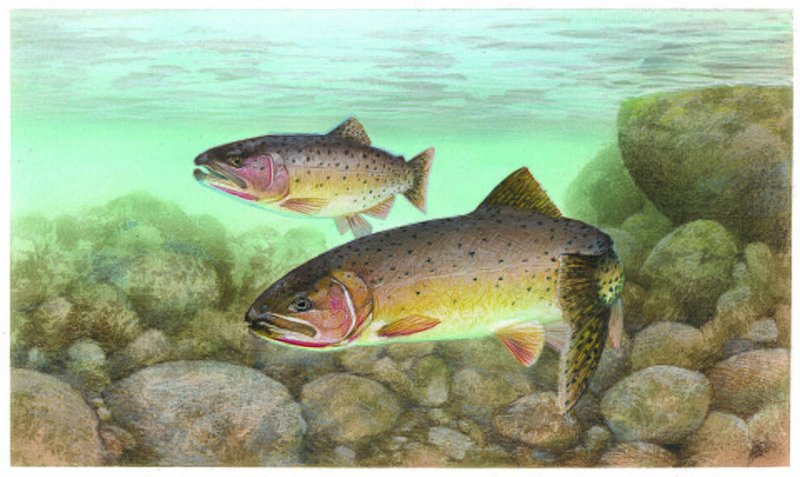
30–50 cm, 0.3–1.5 kg
Release: Any wild cutthroat
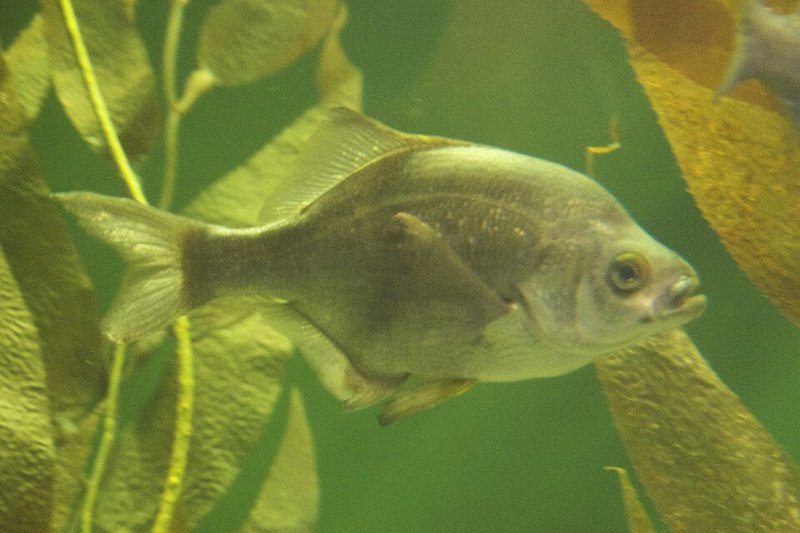
20–35 cm, 0.3–1 kg
Release: Pregnant females in late spring and summer (fat belly) are worth releasing
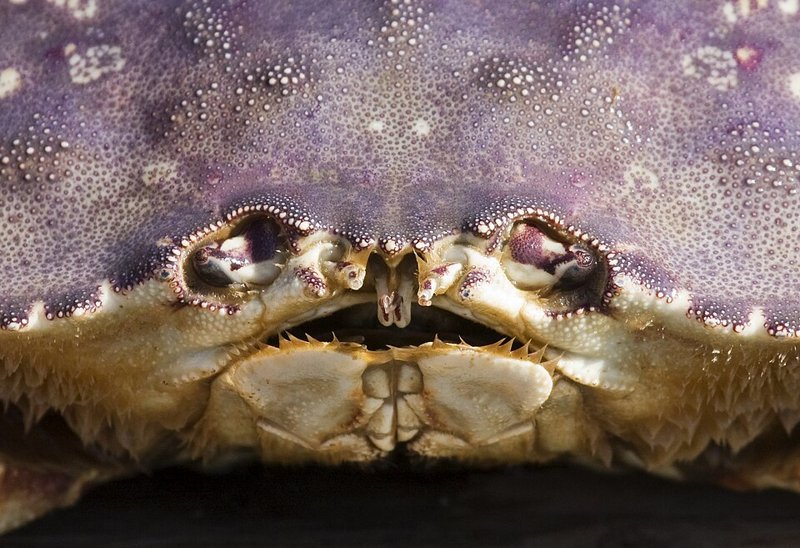
150–200 mm
Release: All females
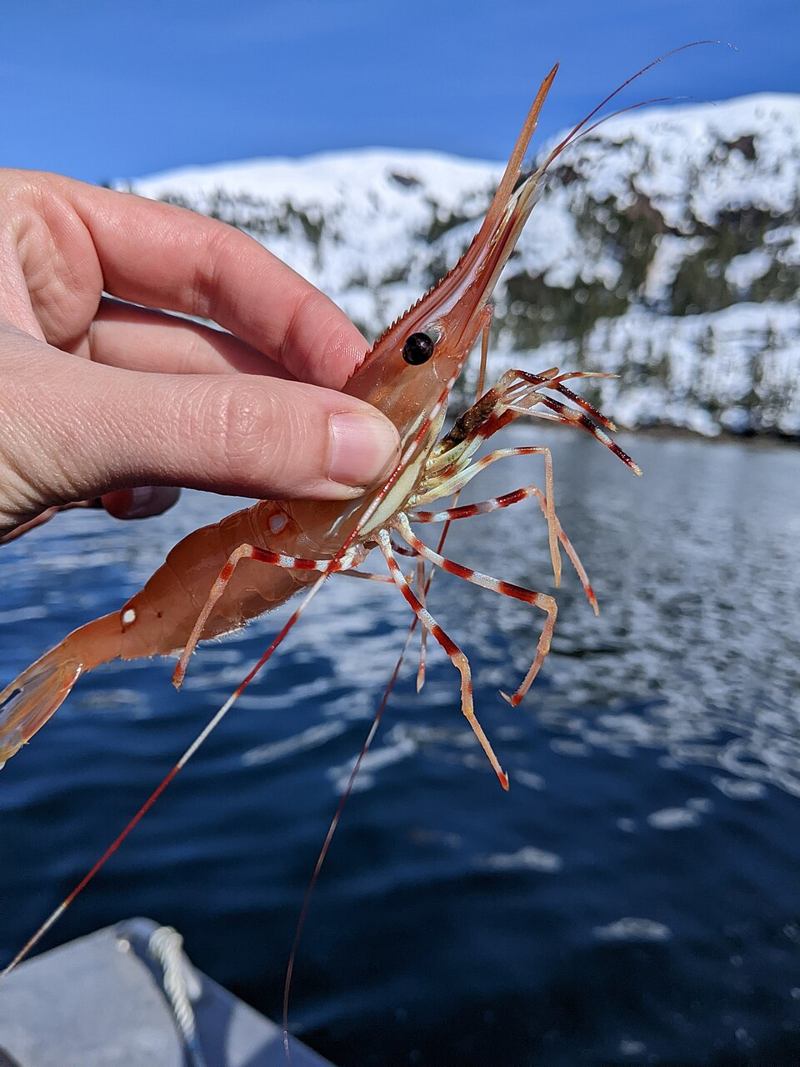
150–250 mm
Release: Any prawn carrying eggs under the tail, immediately
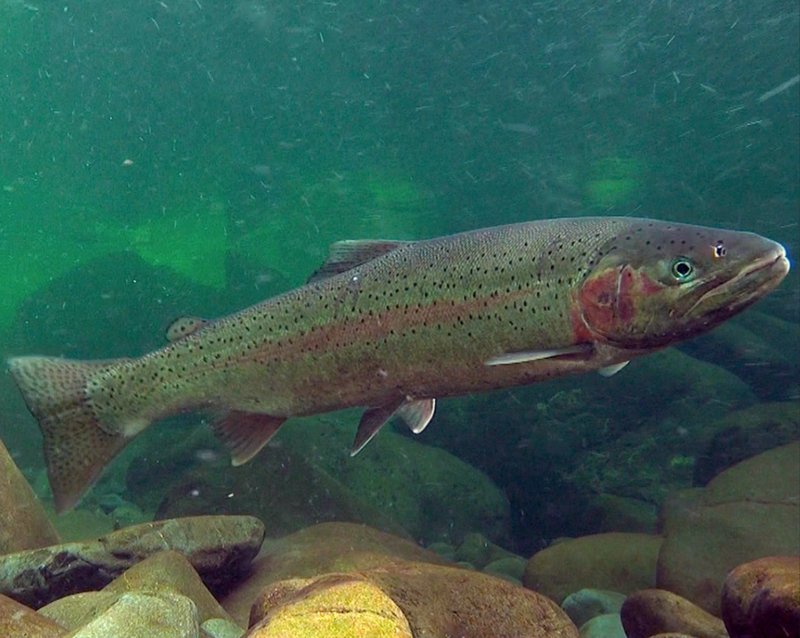
25–55 cm, 0.3–2.5 kg
Release: Check the provincial synopsis for the lake; when in doubt, release
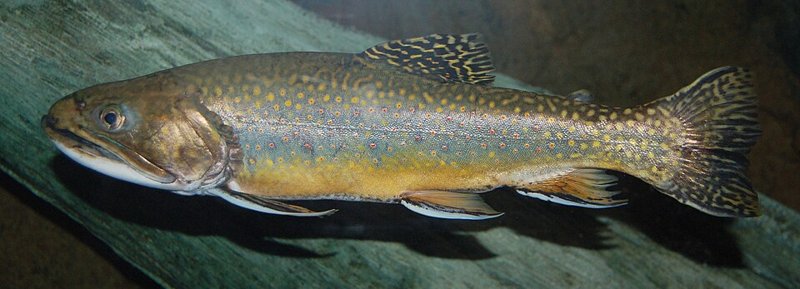
20–40 cm, 0.2–1 kg
Release: Check the local regs
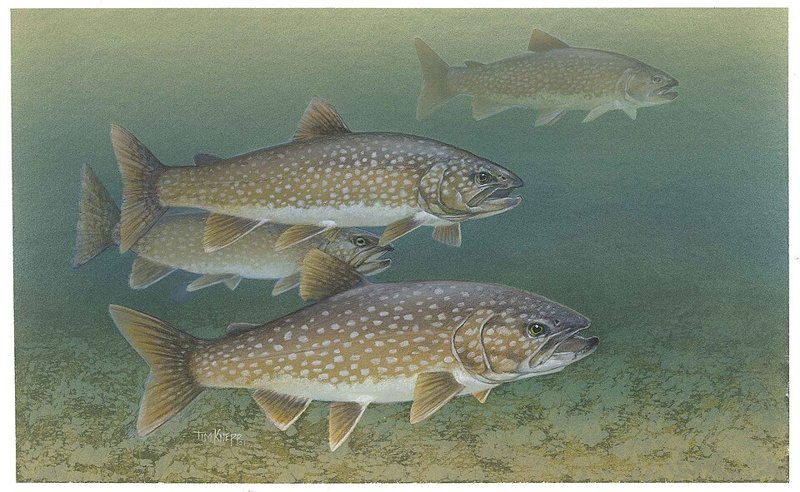
45–90 cm, 1.5–12 kg
Release: Big fish over 70 cm are old (20+ years) and slow to replace; many lakes protect them
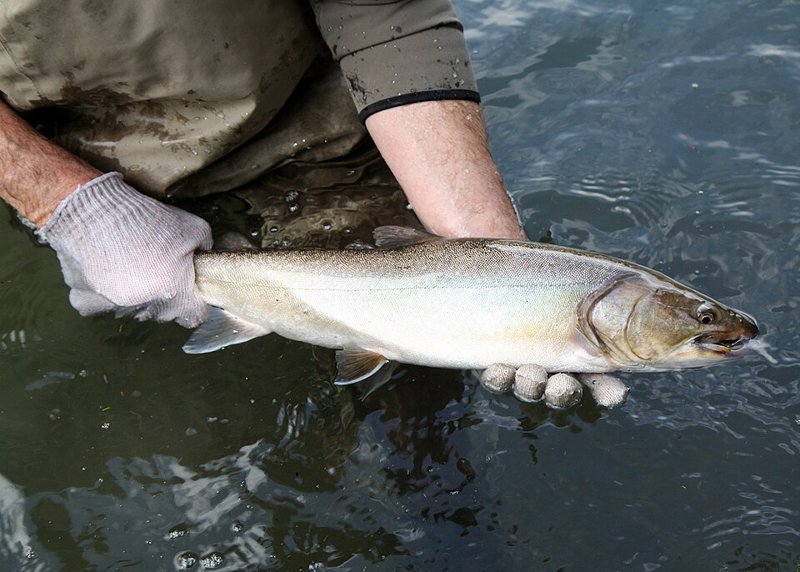
40–75 cm, 1–6 kg
Release: Everywhere unless the local reg says otherwise; a Species at Risk in Alberta
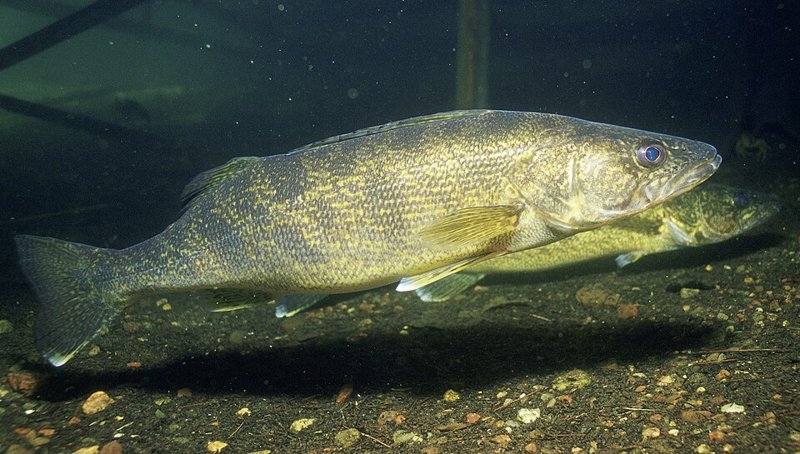
35–65 cm, 0.6–3.5 kg
Release: Fish in the protected slot for that water
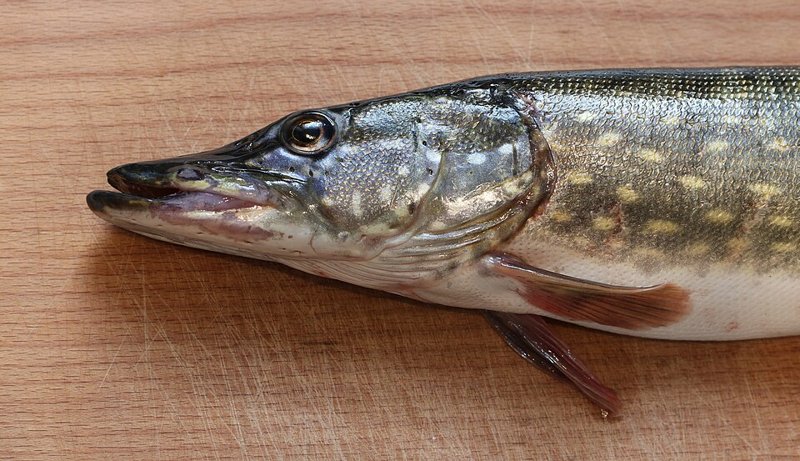
50–100 cm, 1–10 kg
Release: Large fish over 90 cm are mostly females and worth releasing
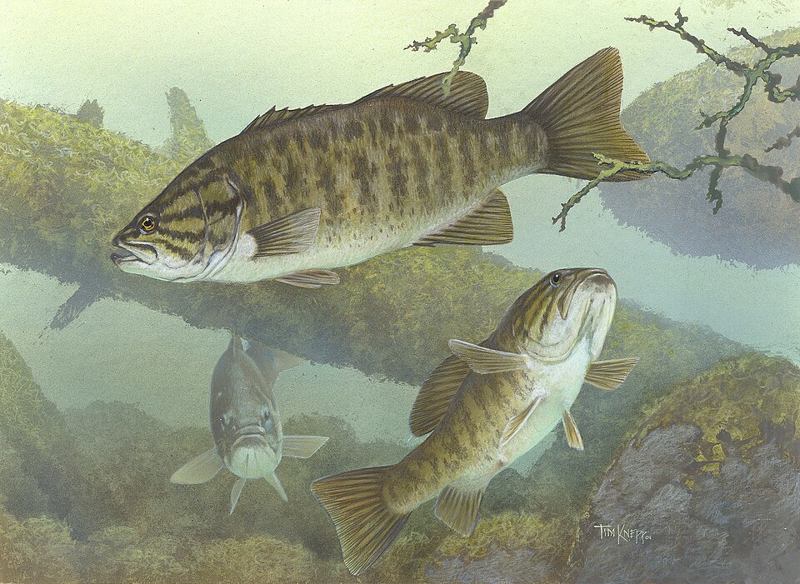
28–50 cm, 0.5–2.5 kg
Release: Nesting males in spring
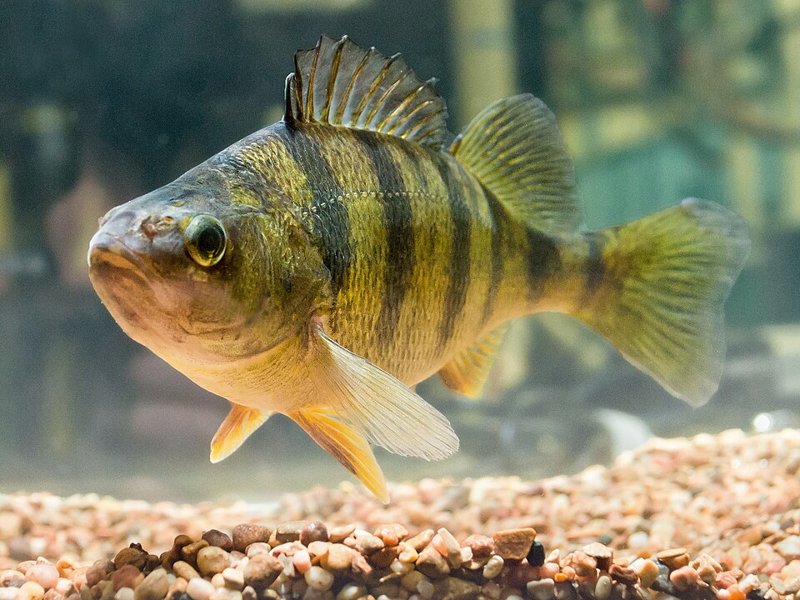
15–30 cm, 0.1–0.5 kg
Release: Fish under 18 cm have little meat
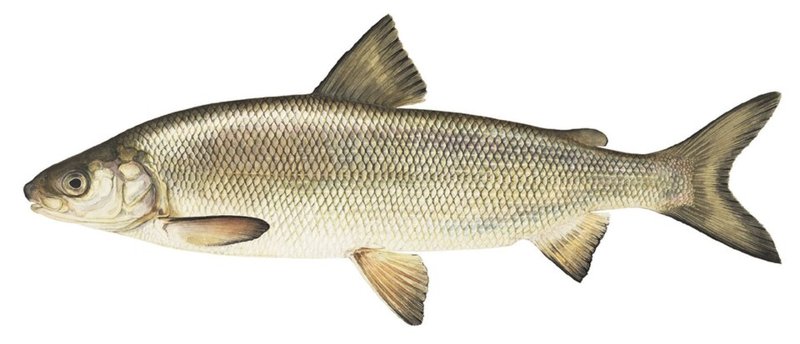
30–50 cm, 0.5–2 kg
Release: Check the local regs
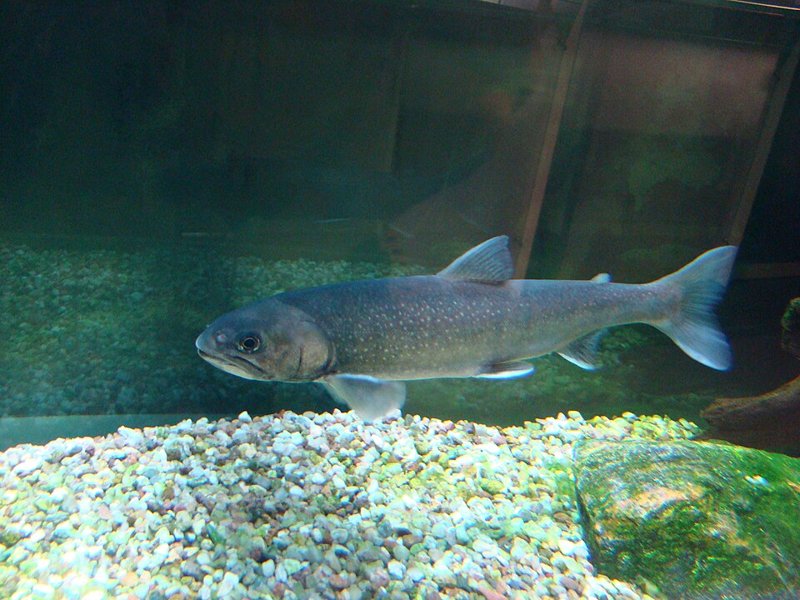
40–75 cm, 1–6 kg
Release: Check the local regs; char grow slowly in the Arctic
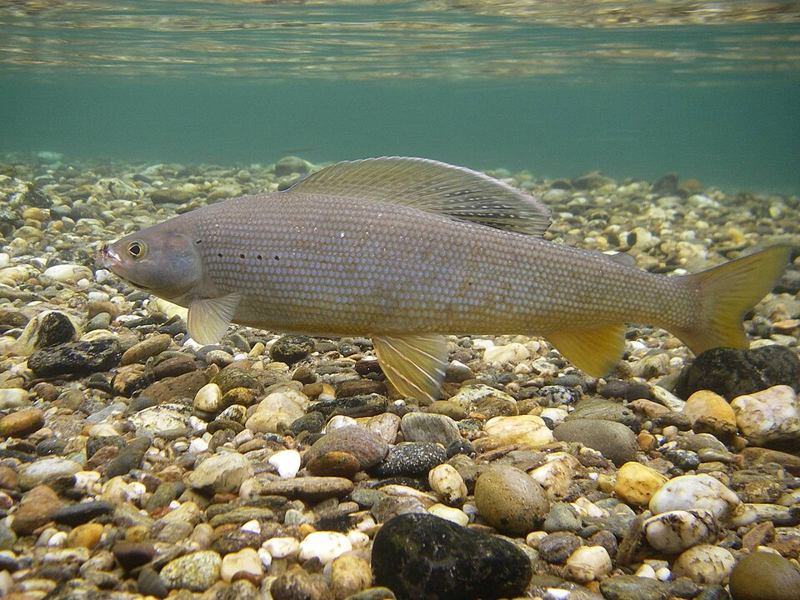
30–45 cm, 0.3–1 kg
Release: Handle gently; grayling are fragile
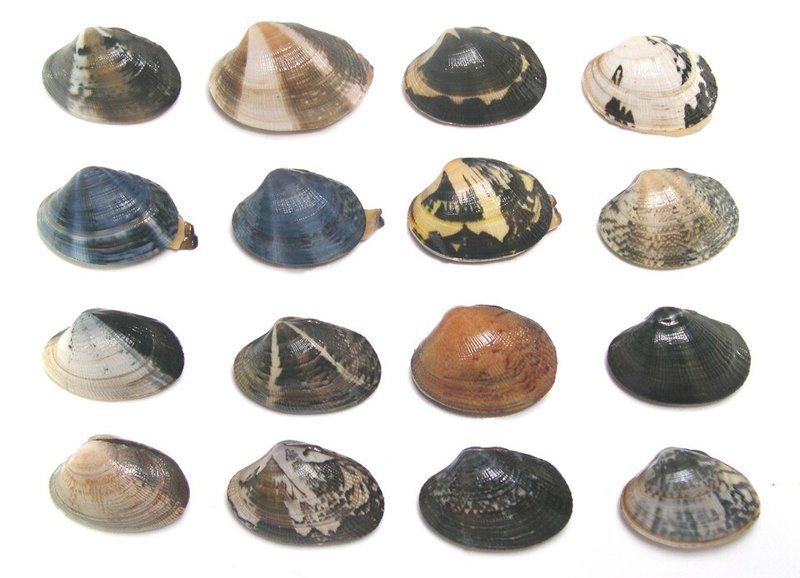
35–80 mm
Release: Undersized clams go back in the same hole, hinge up
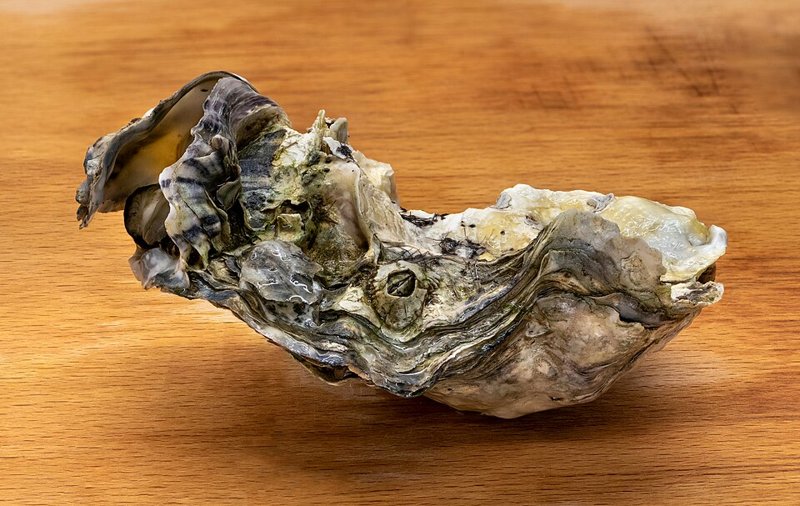
80–200 mm
Release: Anything under 5 cm
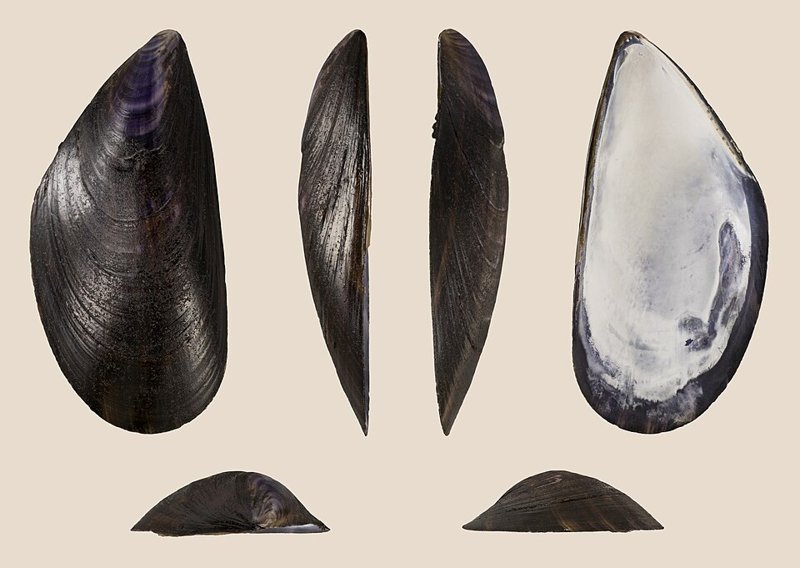
40–120 mm
Release: Small mussels under 4 cm
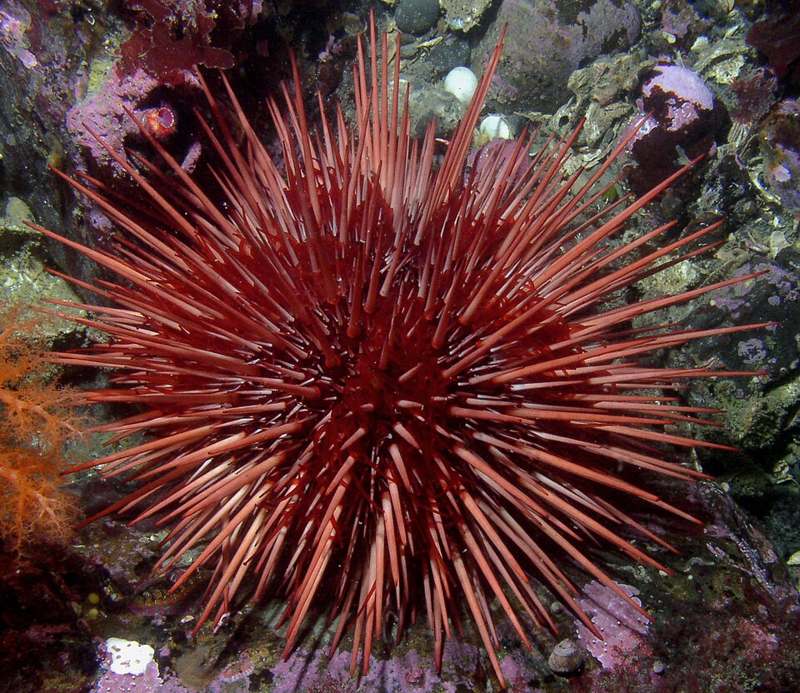
50–150 mm
Release: Small ones; the roe is what you are after, so take only large urchins
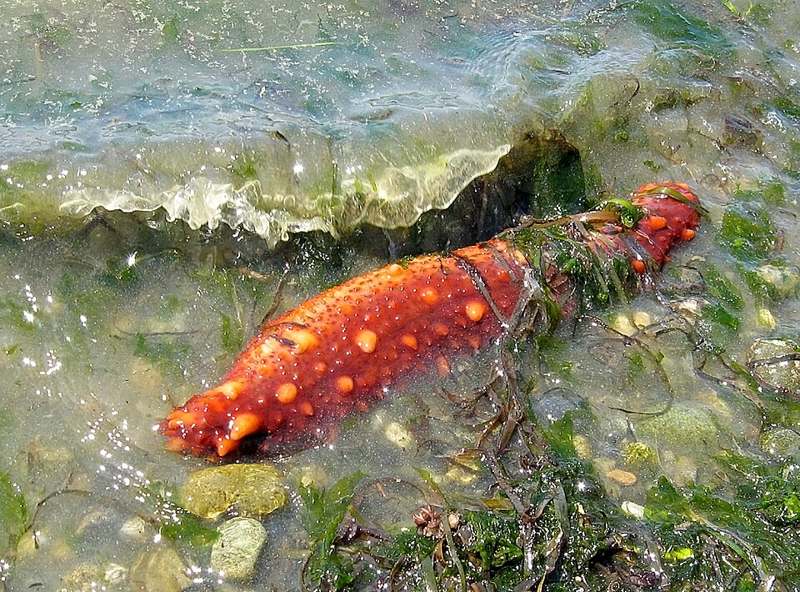
200–400 mm
Release: Handle gently; they can eject their guts when stressed
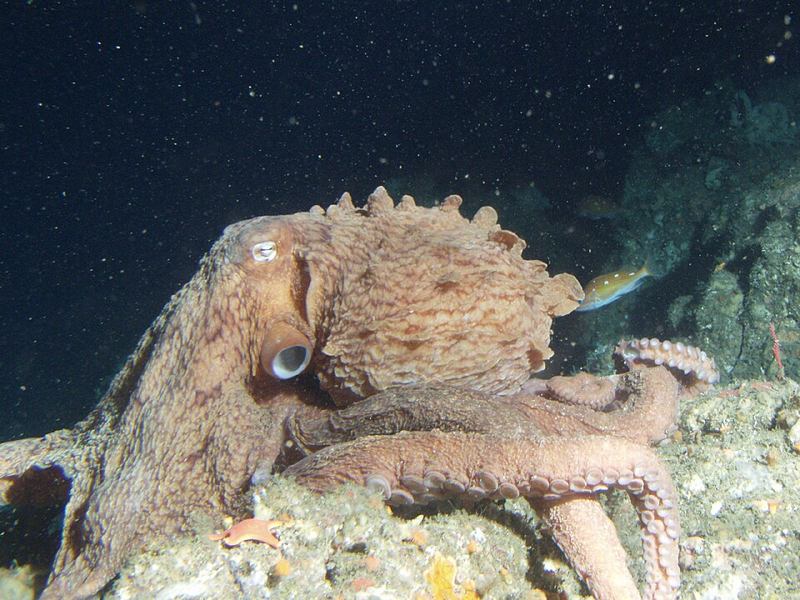
1000–3000 mm
Release: Small octopus under 2 kg are juveniles
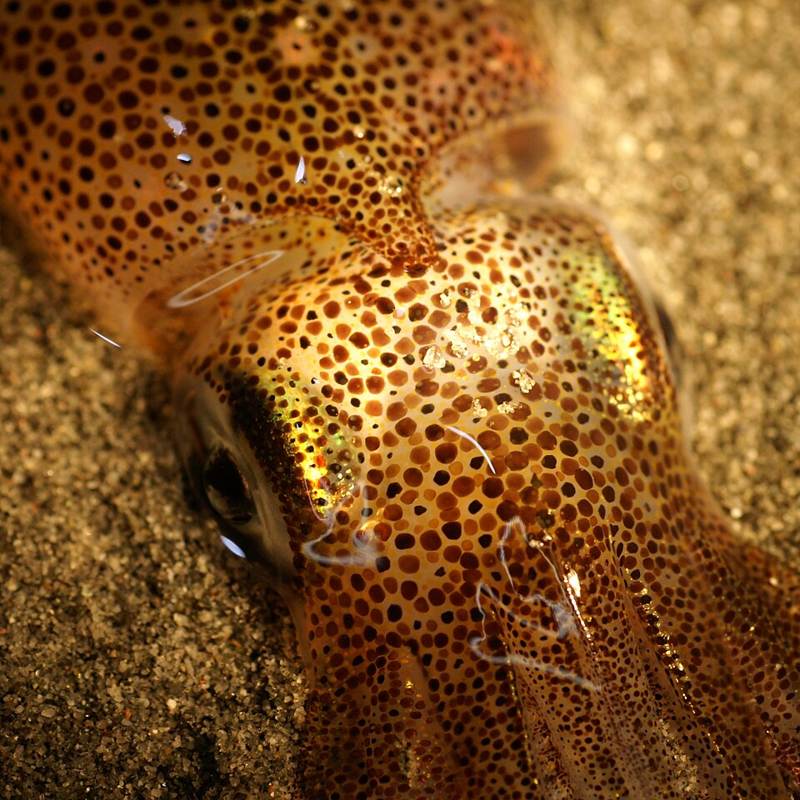
150–300 mm
Keep: Opal 200/day, others 20/day; jig or cast net
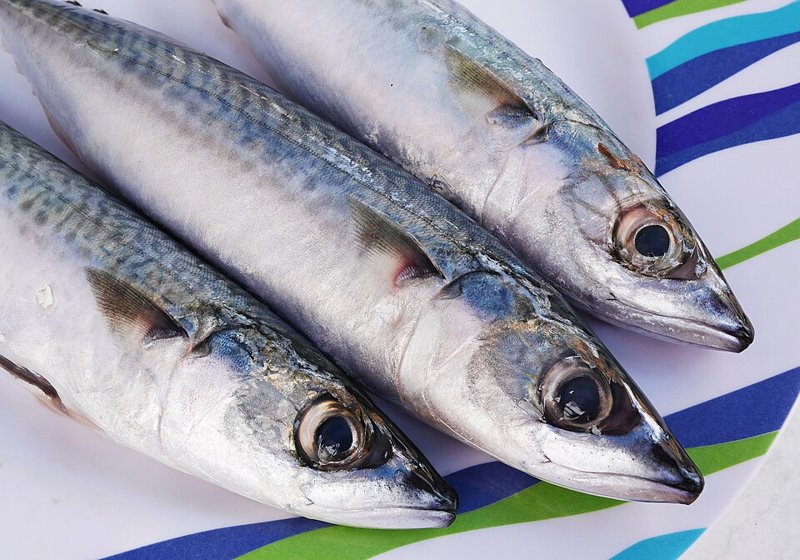
25–40 cm, 0.3–0.8 kg
Keep: Check the DFO Atlantic rules for the current daily limit
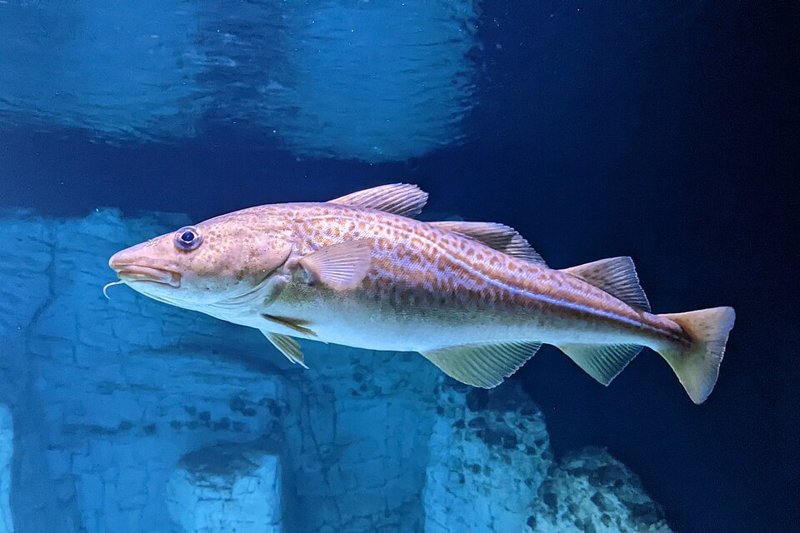
40–80 cm, 1–6 kg
Release: Outside the open dates
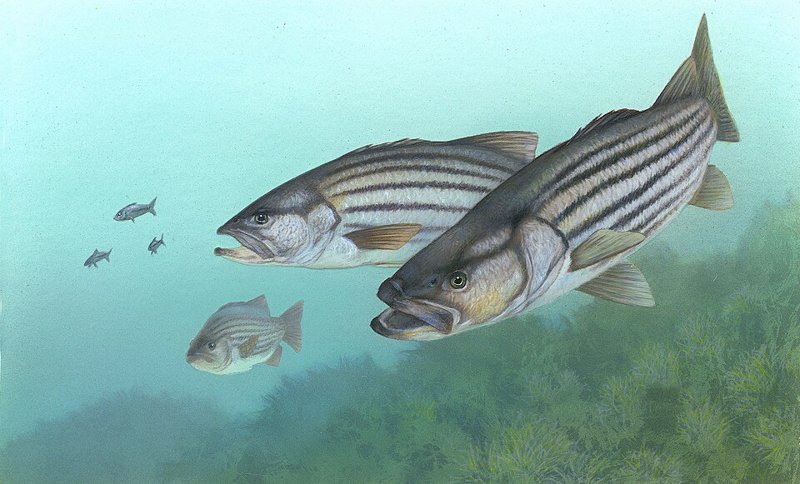
40–80 cm, 1–8 kg
Release: Fish outside the slot
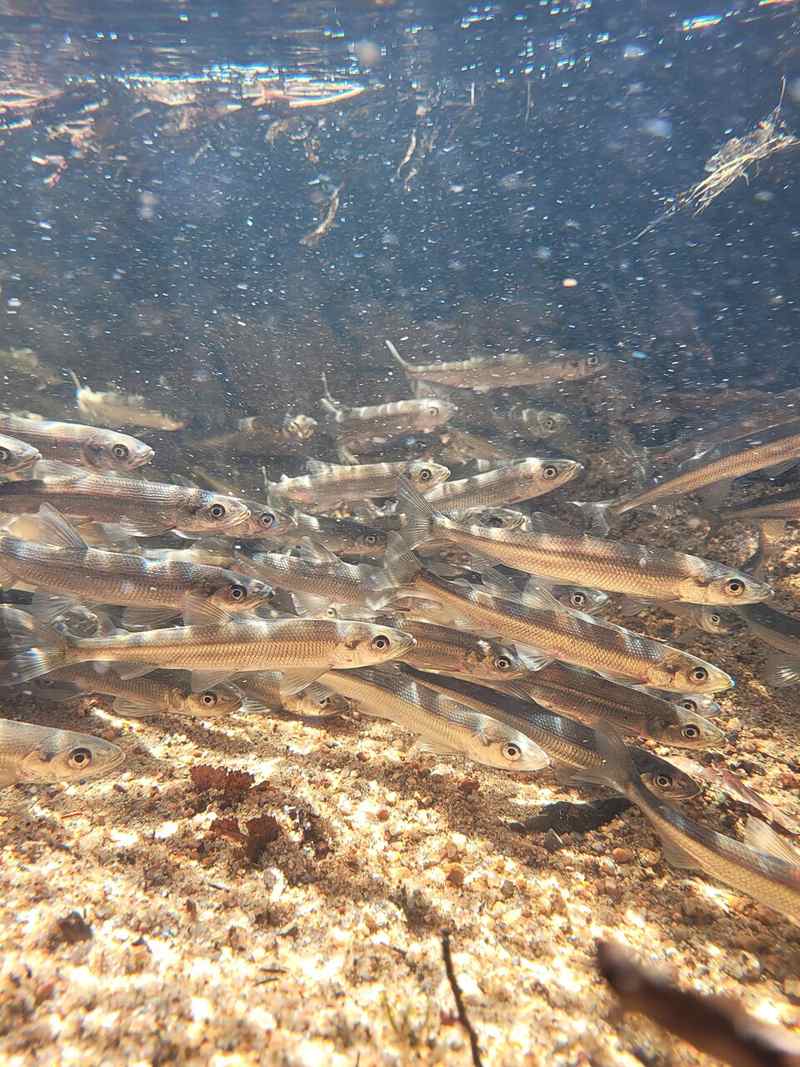
15–25 cm
Keep: Provincial/DFO limits
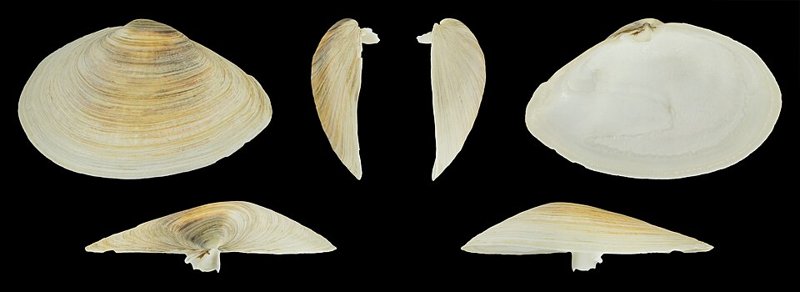
50–100 mm
Release: Undersized clams
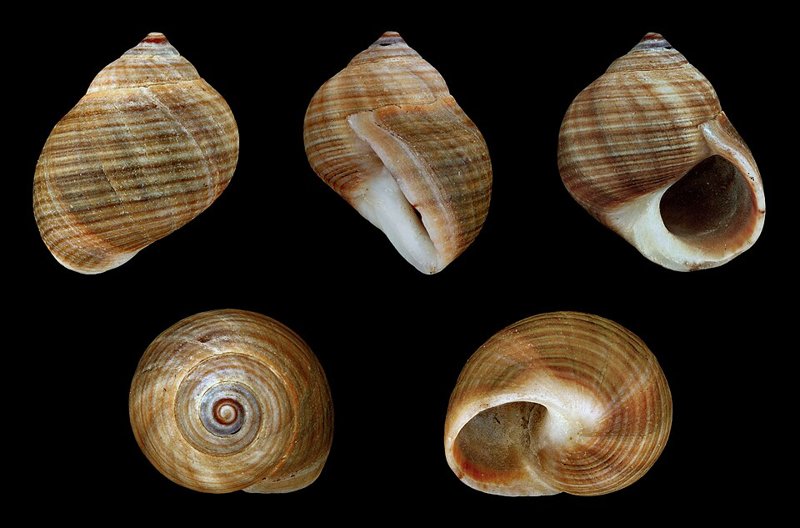
15–30 mm
Keep: No licence needed in the Maritimes; hand picking
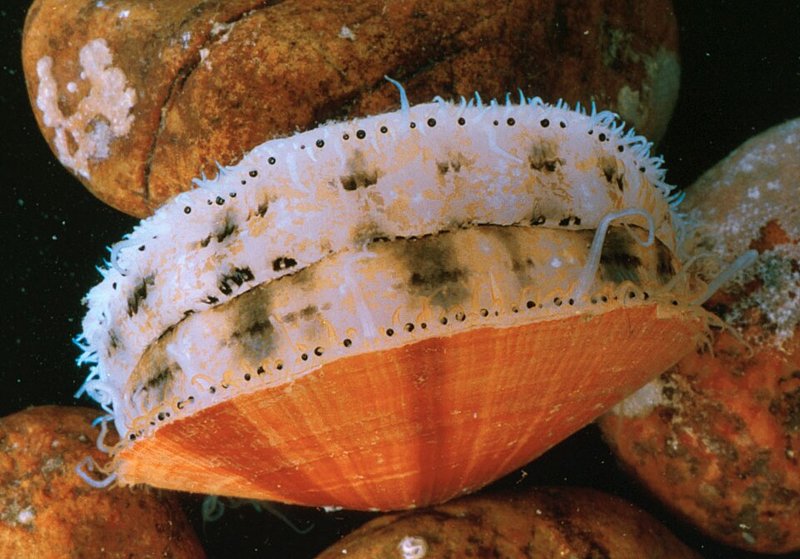
80–150 mm
Release: Small scallops
100–200 mm
Release: Any from a closed or contaminated beach — check the shellfish map before digging
20–50 mm
Release: Any from closed or contaminated areas
30–80 mm
Release: Any from closed or contaminated areas
20–60 mm
Release: Any from closed or contaminated areas
6–10 cm
Release: Anything dark purple or fuzzy — it is alive
10–25 cm
Release: All of them — leave sea stars where you find them
8–12 cm
Release: All of them — illegal to harvest; report poachers to DFO
60–130 mm
Release: Any from closed or contaminated areas
30–60 cm, 0.7–2.5 kg
Release: Undersized fish and any caught in a closed area or season
30–80 cm, 1–4 kg
Release: Undersized fish and any caught in a closed area or season
Photos from Wikimedia Commons; each species page credits its photographer and licence.